
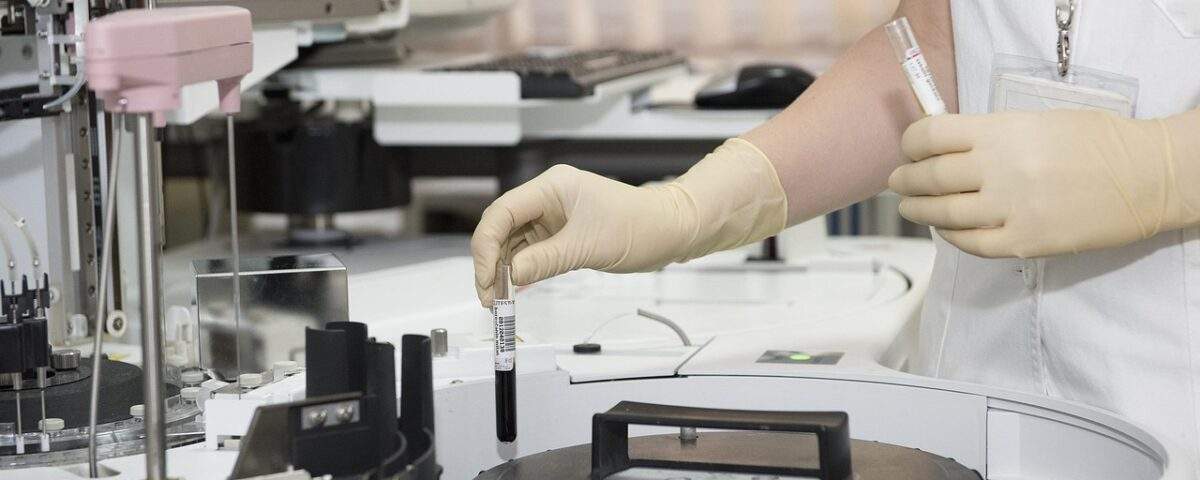
A Summer-Themed Perspective on Stability, Stewardship, and Scientific Care
Summer brings a mix of heat, humidity, and sudden shifts in weather. Mornings start mild and bright. By afternoon, the air grows heavy and storms roll in without warning. Anyone who has watched a cooler full of ice melt during a long day outdoors understands how fast temperature slips away from control. The heat creeps in slowly at first, then everything inside begins to soften, sweat, and eventually spoil.
Laboratories face a similar challenge, only the stakes rise far above a forgotten cooler. Their samples carry years of work, irreplaceable data, patient futures, and entire research timelines. A few degrees of drift can damage material that will never return. Their workflow depends on environments that stay steady no matter what the season is doing outside. The building may feel cool, yet the pressure on equipment grows when summer reaches its peak, and every system must work against the weather.
Environmental monitoring becomes the steady shade that protects sensitive materials from the heat of unpredictability. It creates a buffer between the outside world and the internal climate that science depends on. It shields samples the way a canopy shields food at a picnic. It keeps the temperature even when the sun presses harder. It holds the line when conditions threaten to drift, giving researchers and clinicians the quiet confidence that their work remains protected.
Across biobanks, IVF clinics, research labs, and clinical facilities, this stability becomes more than a convenience. It becomes the foundation that keeps experiments reproducible, keeps patient samples safe, and keeps long-term projects on track through the hottest months of the year. In a season defined by change, monitoring provides a calm center where science can continue without interruption.
Biobanks operate on a simple rule. Cold is safety. Stability preserves decades of research and the biological history held inside each tube and vial. Their ultra-low freezers run far below anything found in nature, colder than a winter night, colder even than the wind across Arctic ice. Yet these machines still feel the push of summer. Heat moves through walls, drains power reserves, and forces compressors to work harder than usual. A small rise in internal temperature, even for a short period, can weaken the integrity of DNA or break down proteins that researchers rely on.
Environmental monitoring becomes the watchful presence that guards this cold chain. It works with the same vigilance a person gives a cooler during a long beach trip. People check the lid, add new ice, and make sure shade covers it through the afternoon. Monitoring systems do the same for the freezers, only with far greater speed and precision. They track temperature minute by minute. They watch compressor performance, door openings, and power stability. They send alerts at the first sign of drift, before thawing threatens the samples.
The goal is simple, yet essential. Keep the cold consistent. Hold the internal climate steady while the outside world reaches triple-digit heat. When the sun pushes buildings and equipment to their limits, monitoring provides the signal that keeps staff ahead of the melt. This stability preserves the integrity of long-term research and protects materials that cannot be replaced once they are lost.
IVF clinics work with some of the most delicate materials in modern medicine. Embryos, oocytes, and reproductive media respond to tiny changes in temperature, airflow, humidity, and CO₂ concentration. These conditions must remain gentle and predictable, almost like the sheltered environment inside a greenhouse. Summer heat challenges that balance. Warm air carries moisture. Humidity rises and falls through the day. Ventilation systems strain. Even a minor change in an incubator’s internal climate can affect development.
Continuous environmental monitoring supports the quiet precision that IVF work demands. It acts like the steady care someone gives to tender plants on a hot summer day. You check soil moisture. You adjust shade. You watch the thermometer. Monitoring systems perform the same constant attention inside the clinic. They track incubator conditions, alert staff when CO₂ levels drift, and watch for subtle temperature swings round the clock. When an alert arrives, clinicians can step in before the change affects the embryo.
This vigilance protects what is fragile. It provides reassurance for patients and staff alike during the most sensitive stages of treatment. A steady environment keeps cellular development on track. It creates a layer of security that holds firm even when the summer heat presses harder. In a field where outcomes rely on consistency, monitoring becomes part of the care itself.
tem cells live in a world of narrow margins. They react quickly to stress, and even small changes in temperature or humidity can shift their behavior. Heat speeds cellular activity. Dry air disrupts growth conditions. Fluctuations create uncertainty. The effect resembles a garden left under direct sun for too long. Plants wilt. Soil dries. Growth slows. These labs understand the same pattern happens at the cellular level when conditions drift.
To protect their work, regenerative medicine labs rely on precise environmental control. Incubators hold developing cell lines. Cryogenic dewars store material at extreme cold. Clean rooms filter and balance air, allowing sensitive cultures to grow without interference. Each part of the system depends on stability. Environmental monitoring watches over this entire network. It tracks temperature, humidity, CO₂ levels, and pressure. It offers real-time alerts when the lab’s internal climate begins to warm or shift.
This steady attention functions like tending a greenhouse during a heat wave. You water at the right moments. You adjust shade. You keep delicate plants cool so growth continues without interruption. Monitoring provides that same protection for stem cells. It preserves research continuity. It supports reproducible results. It safeguards the quality needed for therapies that will eventually reach patients. Stability holds the foundation for innovation.
Pharmaceutical labs face their own summer challenges. Chemical reactions shift with heat. Moisture changes the behavior of powders, reagents, and solvents. Even a few degrees of difference alters how a compound behaves under testing. A warm room can speed or slow reactions in ways that confuse data. A humid space can encourage unwanted interactions. Stability becomes crucial for keeping experiments honest.
Environmental monitoring offers a form of climate control that works even when the season makes conditions unpredictable. It plays the role of maintaining a summer cabin where the windows stay closed at the right times and the air stays cool regardless of the temperature outside. Monitoring systems track humidity, room temperature, equipment performance, and storage conditions for drug candidates. When the environment drifts, alerts give researchers the chance to correct it before a batch fails or a data set becomes unusable.
Reliable conditions build trust in every result. When researchers know their materials stayed stable, they rely on their findings and move projects forward with confidence. Monitoring helps prevent delays, reduces waste, and removes the guesswork summer heat often brings. It keeps drug development on a steady path.
Food testing labs feel summer more than most scientific environments. Warm air accelerates spoilage. High humidity changes the behavior of samples. Microbial growth increases with temperature. A lab that runs even slightly warm can skew results because bacteria grow faster. Shelf-life studies become unreliable when humidity shifts from morning to afternoon. The season can create conditions that pull experiments off course.
Environmental monitoring becomes the ice chest that keeps everything fresh. It maintains cold storage at the right temperatures. It tracks humidity in testing chambers. It keeps incubators and refrigerators steady when the outside air tries to push them off balance. When conditions drift, alerts arrive quickly, giving staff time to adjust equipment before results are affected.
This level of control protects the integrity of data. It ensures that test outcomes reflect the food itself rather than the weather. Quality-control decisions rely on accuracy, so consistency becomes essential. Monitoring holds that consistency in place, even during the warmest months of the year.
Clinical laboratories never rest. They run through early mornings, late nights, and every hour of the day because patient care depends on results arriving quickly and accurately. Inside these labs, the quiet hum of refrigerators and freezers carries as much weight as the work done at the bench. Blood units, plasma bags, test reagents, vaccines, and patient samples sit behind those doors, each one sensitive to temperature in its own way. A slight rise can weaken a sample. A warm pocket in a refrigerator can change how a reagent behaves. A freezer door left ajar creates a risk that grows with every minute.
Summer heat adds another layer of strain. Cooling systems work harder. Condensation forms more easily. Staff move quickly between climate-controlled spaces and warmer hallways, creating drafts that affect airflow. Equipment that usually performs well begins to feel the pressure of long days when temperatures climb outside. The demand for vigilance increases, yet the workload inside the lab rarely slows down enough to make that vigilance easy.
Continuous environmental monitoring steps in as a kind of backup sunscreen. It shields these critical supplies from the sun’s indirect effects. It watches temperature, listens for compressor activity, and tracks how long doors remain open. When power flickers during a storm or a cooler starts warming faster than expected, monitoring sends alerts that give staff time to act. A small response, closing a door, moving samples, adjusting a thermostat, prevents a minor rise from turning into a major failure. Patient testing continues without interruption, and the integrity of every result remains secure.
Across all these environments, from biobanks to IVF clinics to pharmaceutical labs, the pattern repeats. The work looks different, yet the seasonal truth stays the same. Heat pushes systems toward their limits. Humidity plays tricks on delicate materials. Airflow shifts. Refrigerators cycle harder. Freezers struggle when buildings warm. Every lab faces the same pressure that a hot summer day brings to anything meant to stay cool. Stability becomes the most valuable resource.
Environmental monitoring offers that stability. It acts as steady shade across a varied landscape. It catches the tiny temperature climbs that would go unnoticed until it is too late. It holds humidity in check. It alerts staff before drift becomes damage. In a season defined by sudden storms and rising heat, monitoring gives laboratories the controlled climate they need to protect their work.
TempGenius supports that protection with quiet reliability. It watches with the same care people give to the things they want to preserve on a hot summer day, whether that means a cooler full of food or a project that took years to prepare. With clear alerts and consistent oversight, laboratories focus on research, patient care, and discovery while the system handles the heat in the background. Stability becomes the foundation that allows science to continue without melting under pressure.
For more information on how TempGenius can transform your temperature management systems and help you achieve regulatory compliance, please contact us today. Stay tuned to our blog for more insights on technology, compliance, and the future of temperature management.
Contact us to customize a Temperature Monitoring Solution for your enterprise.
Give us a call or email us and let’s discuss the most appropriate temperature monitoring sensor for your company.